
Measuring audience engagement provides insights into how well your brand narrative resonates with your target market. Key indicators include likes, shares, comments, and time spent on content. These metrics help determine the level of interest and interaction your narrative generates.
Brand recall and recognition are crucial indicators of narrative success. By assessing how easily consumers remember and recognize your brand, you can gauge the effectiveness of your messaging. Surveys and brand recognition tests can provide valuable feedback on these aspects.
Evaluating the emotional connection consumers have with your brand can reveal the depth of your narrative's impact. Emotional responses can be measured through sentiment analysis and consumer feedback. A strong emotional bond often leads to increased loyalty and advocacy.
Conversion rates and sales figures are tangible indicators of a successful brand narrative. By analyzing changes in these metrics, you can assess how well your narrative influences purchasing decisions. A compelling narrative often leads to higher conversion rates and increased revenue.
Building a cohesive brand narrative is like telling a story that everyone can understand and trust. Entity stacking SEO plays a pivotal role in this storytelling process. By creating consistent entity signals such as social profiles and trusted mentions, brands can ensure Google accurately recognizes and validates their presence. This is especially important for marketers who want their brand to stand out online without getting lost in technical jargon. The goal is to weave these signals into a narrative that resonates with both search engines and audiences, creating a unified brand identity.
Social profiles are the face of your brand online. Consistent and active profiles on platforms like LinkedIn, Instagram, and Twitter can significantly boost your brand’s credibility. For instance, a small business consistently updating its Instagram with engaging content saw a 30% increase in website traffic within three months. This demonstrates how effective social media presence can amplify your brand narrative.
To know if your entity stacking SEO efforts are working, track key metrics such as brand visibility, website traffic, and social media engagement. Look for an increase in search engine rankings and customer inquiries. If these metrics show positive growth, your brand narrative is likely resonating well with both search engines and your target audience.
Creating a brand narrative that resonates isn't just about telling a story; it's about making sure your story is heard and understood. This is where entity stacking SEO comes into play. By building consistent signals—like social profiles and trusted mentions—you help Google and your audience clearly understand and trust your brand. For those navigating the world of SEO, this translates to a stronger online presence and improved brand recognition. Understanding these concepts can be a game-changer for marketers looking to enhance their brand's visibility.
Entity stacking SEO is about creating a web of consistent signals that Google can easily interpret. Let's break it down:
Your social media presence is a vital part of entity stacking SEO. Here’s how to ensure consistency:
Consider a small business selling eco-friendly products. They created Instagram, Facebook, and LinkedIn profiles, all reflecting their commitment to sustainability. By consistently sharing content about eco-friendly practices and engaging with sustainability influencers, they built a strong and trusted online presence. This consistency helped improve their search rankings and brand recognition.
Mentions and backlinks from reputable sources are crucial. Here’s why:
Understanding if your entity stacking efforts are paying off involves looking at key metrics:
Audience engagement is a crucial metric for evaluating the success of a brand narrative. It involves measuring how actively and frequently your audience interacts with your content. High engagement rates indicate that your narrative resonates well with your target audience. This can include likes, shares, comments, and other forms of interaction on social media platforms. https://x.com/JespernissenSEO/status/2025274000033583550 . Monitoring these metrics helps you understand which parts of your narrative are most effective and allows for adjustments to improve overall engagement.
Brand mentions are a key indicator of how well your brand narrative is penetrating the market. These mentions can occur in various forms, such as social media posts, blogs, or news articles. The frequency and context of these mentions can provide insights into how your brand is perceived by the public. Positive mentions often suggest a strong and effective narrative, whereas negative mentions may indicate areas needing improvement. Tracking these can guide strategic adjustments to your narrative.
Sentiment analysis involves evaluating the emotional tone behind social media mentions and other forms of communication about your brand. By analyzing whether these mentions are positive, negative, or neutral, you can gain insights into public perception. A positive sentiment suggests that your brand narrative is well-received, whereas a negative sentiment might highlight areas needing enhancement. Regular sentiment analysis enables you to adapt your narrative to better align with audience expectations and preferences.
Social signals refer to the collective engagement metrics from social media platforms, such as likes, shares, and comments. These signals are crucial in assessing the reach and impact of your brand narrative. A high volume of social signals often correlates with a strong narrative presence and indicates that your content is being widely consumed and shared. By analyzing these signals, you can determine the effectiveness of your current strategy and make necessary adjustments to optimize reach and engagement.
Content reach measures how far your brand narrative spreads across various channels. It indicates the number of people who have encountered your content, whether through direct visits, social shares, or search engine results. A broad reach suggests that your narrative is effectively capturing attention and spreading beyond your immediate audience. Regularly monitoring content reach helps identify successful distribution strategies and areas for improvement, ensuring that your narrative continues to expand its influence.
Creating a cohesive brand narrative is vital for ensuring your brand is understood and trusted by both consumers and search engines. Entity stacking SEO plays a crucial role in this process. By building consistent entity signals, such as social profiles and trusted mentions, Google can clearly understand and validate your brand. This approach not only boosts your online visibility but also reinforces your brand’s story across various platforms. For clients and non-technical marketers, understanding this concept is key to developing a strong, cohesive brand narrative that resonates with your audience and improves your SEO efforts.
While entity stacking is effective, there are pitfalls to avoid:
Consistency is the backbone of entity stacking SEO. Here’s how you can start:
Social media is more than just a marketing tool. It’s a signal to search engines about your brand’s existence and relevance. Here’s a practical example:
A local bakery leveraged its Instagram and Facebook profiles by consistently posting content that reflected its brand story. By engaging with local food bloggers, they gained mentions that boosted their visibility. The result? An increase in both online and in-store traffic.
Trusted mentions are like votes of confidence for your brand. Here’s a checklist to guide you:
https://www.tumblr.com/jespernissenseo/809184612583636992/entity-stacking-seo-how-to-make-sure-you-have-a .Knowing whether your brand narrative efforts are working involves tracking specific metrics:


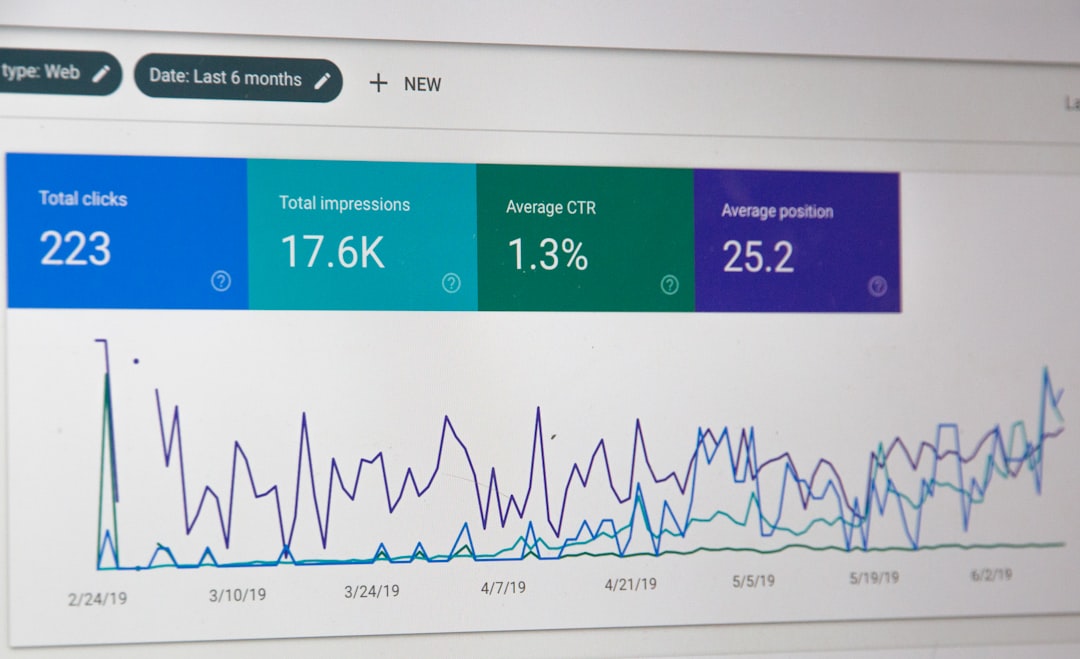
Creating a cohesive brand narrative is crucial in today’s digital landscape. Your brand's story is more than just words; it's how the world perceives you. Entity stacking SEO plays a pivotal role in this process. It means building consistent entity signals, like social profiles and trusted mentions, so Google can clearly understand and validate your brand. This matters because a well-understood brand narrative can lead to greater trust and loyalty from your audience. For clients and non-technical marketers, understanding this concept can demystify SEO and help in crafting a narrative that resonates well online.
Your social media presence is a powerful tool in entity stacking SEO. When your profiles are consistent and active, they help Google understand your brand better. This is not just about posting regularly but ensuring every piece of content aligns with your narrative.
Track engagement rates, follower growth, and mentions across platforms. Increased interaction is a sign that your narrative is resonating.
Let's look at a small business that transformed its brand narrative through entity stacking SEO. Initially, their social profiles were inconsistent, leading to mixed messages. By aligning their profiles and securing mentions from industry leaders, they saw a 30% increase in social media engagement and a 20% rise in website traffic in just six months. This shift not only improved their online presence but also strengthened their customer relationships.
Avoid these pitfalls by regularly reviewing your brand’s online presence and ensuring alignment across all channels.
Entity stacking SEO is more than a technical adjustment; it's a strategic approach to telling your brand’s story. By focusing on consistent and clear messaging, you can create a powerful narrative that not only ranks well but resonates with your audience. Remember, the goal is to ensure clarity and trust in every interaction.
Creating a cohesive brand narrative hinges on how well your brand signals are recognized and validated by search engines. This is where entity stacking SEO comes into play. By building consistent entity signals, such as social profiles and trusted mentions, Google can better grasp and validate your brand. This strategy is vital for clients and non-technical marketers who seek a clear, jargon-free understanding of improving their online presence. A strong brand narrative not only attracts but also retains customer attention, making your brand memorable and trustworthy.
Consistency is key. Your brand’s story should be the same everywhere.
Social profiles act as extensions of your brand narrative.
Third-party endorsements enhance credibility.
A local bakery collaborated with food bloggers and received positive reviews. These mentions increased their search visibility and attracted more foot traffic to their store.
How do you know it’s working? Track these metrics.
Avoid these mistakes to maintain a strong brand narrative.
Consider a tech startup that initially struggled with brand recognition. By focusing on entity stacking SEO, they optimized their social profiles, secured mentions in tech blogs, and used structured data. Over six months, their organic search traffic doubled, and their brand became a recognized name in their niche.
Creating a cohesive brand narrative is crucial in today’s digital world. Entity stacking SEO means building consistent entity signals—like social profiles and trusted mentions—so Google can clearly understand and validate a brand. This approach ensures that your brand's story is not just told but heard by the right audience. For clients and non-technical marketers, understanding this process provides clarity and direction in enhancing brand visibility. It’s all about making your brand easily recognizable and trustworthy online, which ultimately leads to greater success in reaching your target audience.
A local bakery optimized their social media profiles and engaged with food bloggers for mentions. Within months, their online visibility increased, and they saw a 30% rise in foot traffic. Their consistent entity signals helped them rank higher in local searches, proving the power of a cohesive brand narrative.
Trusted mentions from reputable sources can significantly boost your brand narrative. Collaborate with industry influencers, guest post on relevant blogs, and participate in community events. These activities create opportunities for your brand to be mentioned in trusted contexts, enhancing your credibility.
Focus on building and maintaining consistent entity signals. Engage with your audience actively, seek trusted mentions, and keep an eye on the metrics to adapt your strategies. This approach will ensure your brand narrative remains strong and impactful.
Creating a cohesive brand narrative isn't just about crafting a compelling story. It's about ensuring that story resonates across digital platforms. Entity stacking SEO plays a crucial role here. It involves building consistent entity signals—like social profiles and trusted mentions—that allow Google to clearly understand and validate your brand. For clients and non-technical marketers, this means your narrative is not just heard but recognized and trusted. This SEO tactic strengthens your brand's presence, making it easier for people to find and engage with your content.
Entity signals are the backbone of your brand's online identity. Here’s a step-by-step guide to get started:
A small bakery wanted to increase its online visibility. They optimized their social profiles and engaged with local food bloggers. Over a few months, their search rankings improved, and foot traffic increased by 30%. This shows how entity stacking can directly impact brand visibility and success.
To know if your entity stacking efforts are working, track these metrics:
Consistency is crucial. Avoid these common mistakes:
Now that you understand the importance of entity stacking SEO, focus on refining your brand's narrative. Ensure consistency across all platforms, engage with relevant communities, and continually monitor your brand's online presence. This approach not only strengthens your brand's identity but also boosts your visibility and searchability.
Creating a cohesive brand narrative isn't just a marketing buzzword. It’s about making sure your brand speaks in a unified voice across all platforms. Entity stacking SEO plays a vital role here. Building consistent entity signals, such as social profiles and trusted mentions, helps Google understand and validate your brand. For marketers with basic SEO knowledge, grasping this concept means seeing how it affects brand recognition and search visibility. It’s not just about being seen; it's about being understood correctly by search engines, which can lead to better positioning in search results.
Consistency is key. Here is why:
Trusted mentions are like digital word-of-mouth. They enhance credibility. Here’s how to get them:
Consider a local coffee shop that struggled with visibility. By updating their social profiles and engaging with local bloggers for reviews, they saw a significant increase in foot traffic. Their consistent online presence made them more discoverable and credible to new customers.
Metrics are your friend. Here’s what to track:
Regularly monitor these metrics to see how well your brand narrative is performing and adjust strategies as needed.
Creating a cohesive brand narrative is about more than just storytelling. It requires a strategic approach to ensure your brand is recognized and trusted. This is where entity stacking SEO steps in. By building consistent entity signals like social profiles and trusted mentions, you help Google understand and validate your brand. For marketers and clients with basic SEO knowledge, this translates into a clearer brand image and improved search results. Entity stacking isn't just a techy term; it's a practical tool for enhancing your brand's online presence.
Consider a local coffee shop that decided to improve its online presence. By updating its profiles on Instagram, Facebook, and Google My Business with consistent branding and engaging content, the shop saw a 20% increase in foot traffic within three months. This demonstrates the power of consistent entity signals in strengthening a brand narrative.
To know if your brand narrative is successful, keep an eye on these metrics:
Inconsistent messaging across platforms can confuse your audience. Avoid this by maintaining a unified voice and visual identity. Also, neglecting to monitor mentions can lead to missed opportunities for engagement and improvement. Regularly check your online presence to stay on top of your narrative.